Government
 Corporate
 Dealer Account



Starlink vs Satellite Phones for Remote Travel in Australia
21st Jan 2026
Starlink vs Satellite Phones: What’s the Difference?
Remote travel in Australia is no longer niche. Caravanners, 4WD tourists, and off grid travellers are heading further into areas with no mobile reception, and they are asking the same question before they go:
Should I rely on Starlink, or do I need a satellite phone?
These two technologies are often grouped together, but they are actually built for very different purposes.
Understanding the difference matters, especially when remote communication is tied to safety.
What is Starlink and how does it work in Australia?
Starlink is a satellite internet system that uses low earth orbit (LEO) satellites to deliver broadband internet across Australia, including many regional and remote areas. It has become popular with travellers who want internet access while off grid.
In the right conditions, Starlink can provide:
- Faster internet than traditional satellite services
- Connectivity for email, browsing, video calls, and remote work
- Broad availability across regional and remote Australia
However, Starlink is an internet service first.
It requires power, clear sky visibility, and correctly set up hardware. Performance can be affected by terrain, vegetation, weather, and movement. Voice communication relies on internet based calling apps rather than direct satellite voice calling.
Starlink has announced and is rolling out Direct to Device technology in partnership with mobile networks, enabling text messaging and limited connectivity in some remote areas. At this stage, this technology is still emerging and should not be relied on as a primary method for emergency voice communication.
This distinction is critical for remote travellers.
What is a satellite phone and why does it still matter?
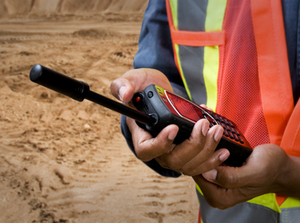
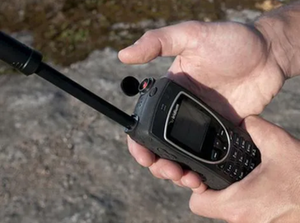
A satellite phone is designed specifically for communication when mobile coverage fails. Instead of connecting to mobile towers or relying on internet access, it connects directly to orbiting satellites, including both low earth orbit (LEO) and geostationary (GEO) systems.
This allows two way voice calls and SMS from remote Australia, even in areas with no terrestrial infrastructure.
Many satellite phones also include a dedicated SOS or emergency assistance function. This feature allows the user to trigger an emergency alert with a single quick action, even if they are injured or unable to make a full call. When activated, the SOS function can send your location and distress signal via satellite to an emergency response service or monitoring centre, depending on the device and service plan.
Satellite phones are widely used by:
- Remote travellers and outback tourers
- Mining and construction crews
- Emergency services and recovery teams
- Anyone travelling beyond reliable infrastructure
Their role is simple and critical: provide direct communication when no other options work.
Unlike internet-based systems, satellite phones do not depend on apps, operating systems, or software updates. In an emergency, you turn the phone on, extend the antenna, and communicate. If fitted, the SOS function adds an additional layer of protection when time, injury, or conditions make manual calling difficult.
That reliability is exactly why satellite phones remain essential for remote travel.
If you are new to this technology, our Satellite Phones 101 guide explains how satellite phones work in remote Australia, including SOS capabilities, and why they are trusted for safety.
Starlink vs satellite phone for remote Australia
This comparison is not about which technology is better. It is about which problem you are solving.
Internet access vs communication
Starlink provides internet connectivity. A satellite phone provides direct voice and SMS communication. If you need to browse, work remotely, or stay online while off grid, Starlink can be a strong option. If you need to reliably speak to emergency services or call for help in remote Australia, a satellite phone is the safer and more established solution.
Mobility
Starlink performs best when stationary and correctly set up. While mobile installations exist, reliability can vary while moving. Satellite phones are designed for use on the move, whether driving, hiking, or stranded.
Emergency communication
In emergencies, reliability matters more than convenience. Satellite phones are purpose built emergency communication devices. They operate independently of internet services and are widely relied upon across outback Australia.
Emergency communication in remote Australia
This is where many travellers make a critical assumption.
Internet access does not guarantee emergency communication. If Starlink loses signal, power fails, hardware is damaged, or visibility is obstructed, internet based calling may not be possible.
A satellite phone is built for worst case scenarios:
- No mobile reception
- No internet
- No local infrastructure
- Time critical situations
For two way voice calls and SMS in areas without mobile coverage, satellite phones remain the most reliable widely available option in remote Australia.
For a practical breakdown of this, see Satellite Phones 101.
Do you need a satellite phone if you have Starlink?
For many remote travellers, the answer is yes.
Starlink and satellite phones solve different problems. One delivers connectivity. The other delivers safety.
Many experienced travellers use Starlink for internet access and carry a satellite phone as a non-negotiable backup. This is not about convenience redundancy. It is about having a communication method that works when internet services cannot.
If your travel plans take you beyond sealed roads, reliable power, or consistent coverage, a satellite phone should be part of your setup.
Starlink coverage vs satellite phone coverage in Australia
Starlink coverage in Australia is broad, but performance depends on hardware setup, terrain, weather, and sky visibility. In heavily obstructed or rugged environments, connectivity can be inconsistent.
Satellite phone coverage in Australia is designed specifically for remote connectivity. Satellite networks cover vast areas with minimal reliance on ground infrastructure, including locations where no other communication option is available.
You can explore these differences in more detail in our guide to Satellite Coverage in Australia.
What is the best communication option for outback travel?
The honest answer is not either or.
If you want internet access while travelling remotely, Starlink can provide valuable connectivity. If you want a proven way to make voice calls or send messages in emergencies anywhere in Australia, a satellite phone is essential.
Internet is a convenience. Communication is a safeguard.
When things go wrong in remote Australia, the ability to make a call matters more than download speeds.
Final Word
Starlink has changed how people access internet in remote Australia. It has not replaced satellite phones.
If you are planning remote travel, the question is not Starlink vs satellite phone. The real question is whether you are prepared when internet alone is not enough.
Satellite phones remain the most reliable way to make voice calls and send messages in emergencies across remote Australia. That is not hype. It is reality.
Frequently Asked Questions
Does Starlink work in remote Australia?
Starlink has broad availability across Australia, including many regional and remote areas, but performance depends on power, correct setup, and a clear view of the sky. Terrain, vegetation, and severe weather can affect reliability.
Can you call emergency services with Starlink?
Starlink is an internet service, so emergency calling typically depends on internet-based calling apps and a working connection. If your equipment loses power or the connection drops, calling may not be possible. For reliable emergency voice calls in areas without mobile coverage, a satellite phone is a more established option.
Do I still need a satellite phone if I have Starlink?
If you travel beyond mobile coverage, a satellite phone is a smart backup. Starlink is great for internet access, but a satellite phone is designed for two way voice calls and SMS when there is no mobile service.
What is better for remote travel, Starlink or a satellite phone?
They solve different problems. Starlink is best for internet access when stationary and properly set up. A satellite phone is best for safety focused communication, especially if you need a reliable way to call or message in emergencies.
What is the best communication setup for outback travel?
Many experienced travellers use both: Starlink for internet and a satellite phone for emergency communication. This gives you connectivity when conditions are good and a fallback when they are not.
Can I rent a satellite phone for a short trip?
Yes. Many travellers rent satellite phones for short term or one off trips into remote Australia. Renting is a practical option if you only need coverage for a specific journey, without the upfront cost of buying a device.